
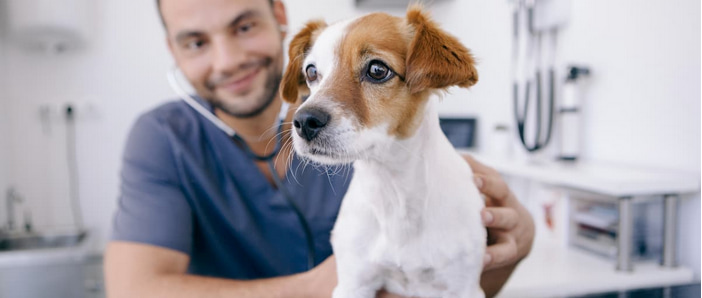
A veterinary technology program in Ontario is often the moment when a lifelong love for animals finally becomes a real career.
I still remember the first day I shadowed a technician at a small rural clinic just outside of Guelph.
The lobby smelled like a mix of disinfectant and wet dog, and a nervous golden retriever kept pacing between the chairs.
As soon as I saw the tech calmly kneel to reassure the dog, I realized this job was far more hands-on and heart-driven than most people imagine.
That early experience shaped how I view the profession and why the right education matters so much.
If you want to explore one, here’s a helpful resource for a veterinary technology program Ontario.
Understanding What The Training Actually Prepares You For
Most people assume technicians spend their day helping with vaccinations and feeding pets, but that barely scratches the surface.
During my first clinical rotation, I watched a tech place an IV catheter in a trembling rescue dog that had just been brought in after an accident.
She worked with a level of precision that felt closer to nursing than anything else.
That moment made me realize the role is a blend of medical skill, compassion, and quick decision-making.
Developing Real Medical Abilities
Classroom theory gives you the foundation, but hands-on practice is where everything clicks.
I learned how to position animals for X-rays by repeatedly practicing on a very patient beagle named Sunny.
The more I practiced, the more confident I became, especially when handling pets that were scared or in pain.
The program also covered clinical laboratory work, which surprised me with how detailed it was.
Running blood samples, analyzing parasites, and preparing slides reminded me of my high school biology lab—just on a much more serious level.
Learning How To Stay Calm Under Pressure
One afternoon during my externship, a cat arrived struggling to breathe after being hit by a car.
The supervising veterinarian rushed to stabilize him, and the tech I was shadowing immediately prepared oxygen, fluids, and monitoring equipment.
Watching her work through the chaos showed me why structured training matters.
You don’t rise to the occasion—you fall back on what you’ve practiced.
Programs in this field make sure that practice happens long before you ever face a real emergency.
Why Students In Ontario Often Choose This Career Path
Ontario is full of clinics, animal shelters, research labs, and specialty hospitals that rely heavily on trained professionals.
During my time helping at a Toronto adoption center, I saw how desperately they depended on skilled techs to examine incoming animals, identify medical issues, and calm anxious pets.
The province’s mix of rural and urban environments also creates a wide variety of job settings.
I met one graduate who spends her mornings assisting with dairy herd health checks and her afternoons monitoring anesthesia for surgeries at a small companion-animal clinic.
She joked that no two days ever feel the same, which is exactly what she loves about the job.
High Demand For Trained Workers
When I spoke with clinic managers during my rotations, they all said the same thing—qualified technicians are in short supply.
New clinics open every year, and many rural towns struggle to hire enough staff to meet demand.
That means students who complete the training often receive job offers before graduation.
The stability of the field also appealed to me, especially compared to careers where automation and remote work are reshaping everything.
The Emotional Reward Is Unlike Most Jobs
Working with animals pulls you in emotionally, whether you plan for it or not.
I’ll never forget the elderly couple who brought in their cat, Whiskers, for monthly arthritis treatments.
They would tell stories about him chasing butterflies as a kitten while I held him still for his injections.
Seeing how much that little cat meant to them reminded me that this profession touches people just as much as it helps animals.
That emotional connection is what keeps many technicians in the field for decades.
Training That Prepares You For The Real World
The structure of these programs is very intentional.
You start with anatomy, physiology, and pharmacology before moving into specialty areas like anesthesia, surgical assisting, radiography, and dentistry.
Each topic builds confidence differently.
During my dental rotation, I was shocked by how often poor oral health affects overall wellness in cats and dogs.
Cleaning teeth, taking dental X-rays, and assisting during extractions taught me skills I never expected to enjoy.
It felt like puzzle-solving with a purpose.
Externships Give You A True Sense Of The Job
Coursework can only go so far, and that’s why supervised placements are the heart of the training.
My externship at a mixed-animal clinic changed everything for me.
One morning, I was holding a tiny rabbit for a nail trim, and an hour late, I was helping set up equipment for a horse ultrasound in the barn behind the clinic.
Those unpredictable days taught me how to adapt, communicate with clients, and think ahead—abilities no textbook could have taught.
A Career With Room To Grow And Specialize
One of the biggest surprises for me was how many directions you can go after graduating.
Some technicians work in general practice, but others shift into emergency medicine, wildlife rehabilitation, laboratory animal care, or exotic-animal clinics.
I met a technician who specializes in anesthesia for orthopedic surgeries, and she described the work as a combination of calculation, instinct, and teamwork.
Another friend of mine ended up in a research facility, helping monitor animal care for scientific studies.
The diversity makes the field accessible to people with all kinds of personalities—whether you thrive in fast-paced environments or prefer methodical, structured work.
Real Relationships Make The Job Meaningful
Clients quickly learn to trust the technician who remembers their pet’s quirks.
I once worked with a senior dog named Baxter who refused to step on the scale unless we placed a towel on it first.
His owner laughed every time she saw me prepare the towel before calling him over.
Those small moments create a sense of community that sticks with you, even long after you’ve moved on to a new clinic or role.
Related Posts

Banged Up, Stitched Up; The untold stories of a prison nurse